Vanicream or Cetaphil — Which One Fits Your Lifestyle?
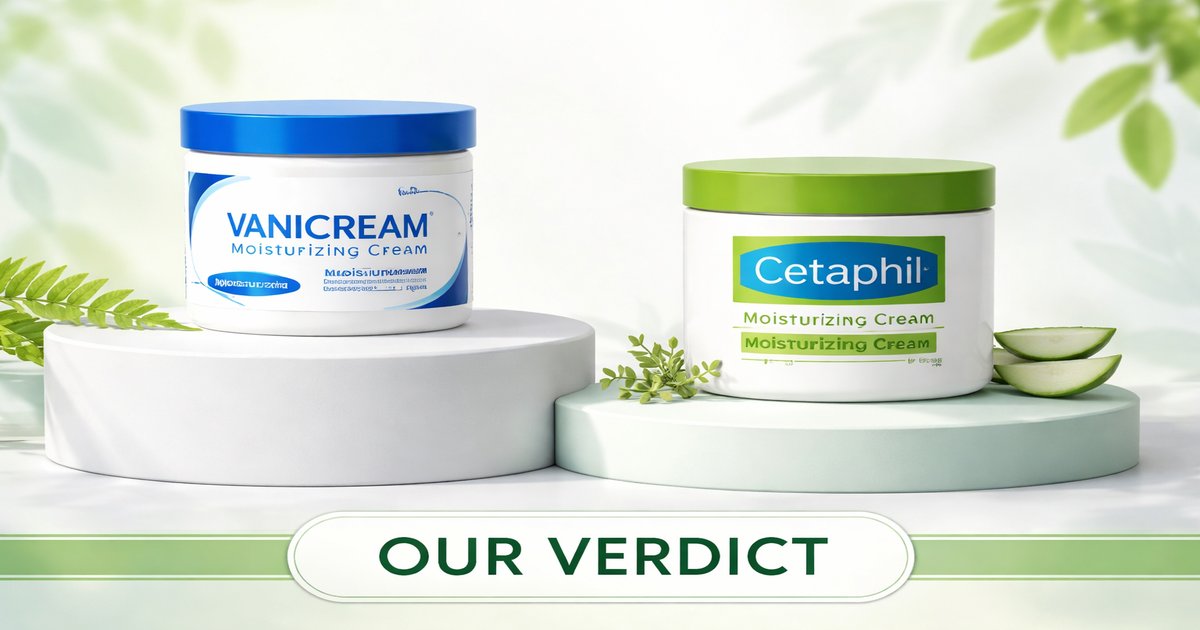
You’re on a quest for the perfect moisturizer, the kind that doesn’t leave your skin feeling like a greasy mess or, worse, an arid desert. Enter Vanicream and Cetaphil, two skincare heavy-hitters often recommended by dermatologists. Which one should you slather onto your precious epidermis?
| Specification | Vanicream | Cetaphil |
|---|---|---|
| Fragrance-Free | ✓ | ✓ |
| Paraben-Free | ✓ | ✓ |
| Non-Comedogenic | ✓ | ✓ |
| Suitable for Eczema | ✓ | ✓ |
| Price (per oz) | $1.20 | $0.99 |
| Available Sizes | 2 oz, 8 oz, 16 oz | 4 oz, 8 oz, 16 oz |
| SPF | ✗ | ✗ |
✅ vanicream Pros
- Exceptionally gentle on sensitive skin.
- Minimal ingredient list reduces irritation risk.
- Dermatologist-recommended for eczema.
❌ vanicream Cons
- Higher price point compared to similar products.
- Thicker consistency may not be suitable for oily skin.
✅ cetaphil Pros
- Budget-friendly option for everyday use.
- Lightweight and non-greasy formula.
- Widely available in various sizes.
❌ cetaphil Cons
- Contains alcohol, which could be drying for some skin types.
- May not be moisturizing enough for very dry skin.
Performance on Sensitive Skin
Vanicream shines brightly when it comes to sensitive skin. With its minimal ingredient list, you’re less likely to encounter irritants, making it a go-to for those struggling with eczema or allergies. On the other hand, Cetaphil, while also gentle, includes alcohol in its formula, which can be a double-edged sword. It helps with quick absorption but might dry out already parched skin. If you’re dealing with serious sensitivity issues, Vanicream is your safer bet.
Texture and Absorption
If you despise the feeling of heavy creams that never seem to sink in, Cetaphil has the upper hand. Its lightweight, non-greasy texture is ideal for daily wear, especially if you’re prone to mid-day shine. Vanicream’s thicker formula can feel more like a barrier cream, offering intense moisturization that takes a bit longer to absorb. Great for overnight use but maybe not the best for a quick morning routine if you’re rushing out the door.
Value and Accessibility
Cetaphil wins on the value front. It’s cheaper per ounce and available in more size options, making it easier to grab from your local store. Vanicream, while slightly more expensive, justifies its price with a specialized formula and dermatologist endorsements. If budget isn’t a constraint and you need a targeted solution for skin issues, Vanicream’s your pick. But for everyday hydration on a budget, Cetaphil is the practical choice.
Hidden downside of Vanicream? It’s not the best under makeup due to its richer consistency. Cetaphil may hydrate but could leave very dry skin types wanting more. Both lack SPF, so don’t skip your sunscreen. Consider these if you’re not expecting miracle cures but reliable hydration.
Our Final Verdict: Which One Should You Buy?
For those with sensitive skin or eczema, Vanicream is worth the higher price for its effective, irritation-free moisturization. It’s ideal if you prioritize skin health over cost. On the flip side, if you’re looking for a cost-effective, everyday moisturizer that plays well under makeup, Cetaphil is your go-to. It’s perfect for those who need a reliable, no-frills product that doesn’t break the bank.
Is Vanicream suitable for oily skin?
Vanicream’s thicker consistency might not be ideal for oily skin as it can feel heavy and take longer to absorb.
Does Cetaphil work well under makeup?
Yes, Cetaphil’s lightweight and non-greasy formula makes it an excellent base under makeup.
Are there any long-term effects of using either product?
Both are safe for long-term use and help maintain skin hydration, but results can vary based on your individual skin type and needs.