Laminate Trimmer vs Router: An Honest Side-by-Side Comparison
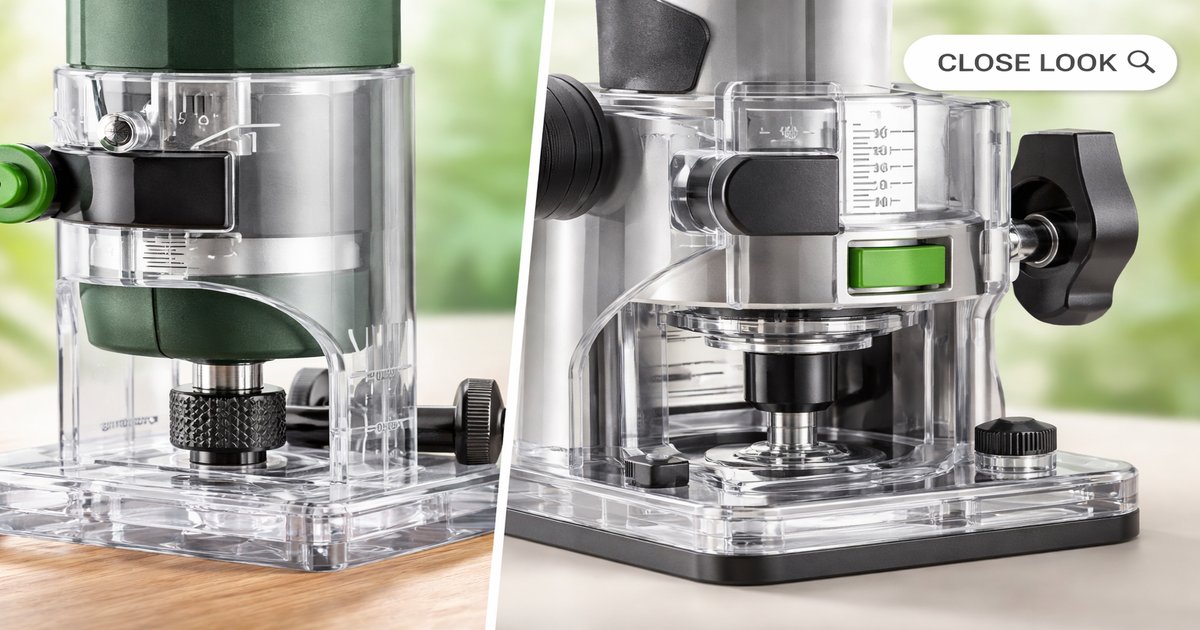
You’re in your workshop staring at your latest project, wondering whether a laminate trimmer or a router would best tackle those edges. They might look similar, but choosing the right tool could mean the difference between a professional finish and a weekend of frustration. Here’s what you need to know to make the right call.
| Feature | Laminate Trimmer | Router |
|---|---|---|
| Power | 4-6 amps | 8-15 amps |
| Weight | 3-5 lbs | 6-10 lbs |
| RPM | 25,000 to 30,000 | 10,000 to 24,000 |
| Price Range | $50-$150 | $100-$300 |
| Versatility | ✗ | ✓ |
| Ease of Use | ✓ | ✗ |
| Precision | ✓ | ✓ |
✅ laminate trimmer Pros
- Lightweight and easy to handle for extended periods.
- Perfect for fine detail work and edge trimming.
- High RPM for smooth finishes on laminates.
❌ laminate trimmer Cons
- Limited power, not suitable for heavy-duty tasks.
- Lacks versatility for different woodworking tasks.
✅ router Pros
- Powerful enough for a wide range of tasks.
- Highly versatile with various attachments and bits.
- Durable, built for heavy-duty woodworking projects.
❌ router Cons
- Heavier and can be tiring to use for long periods.
- Generally more expensive than laminate trimmers.
Performance
When it comes to performance, it’s all about what you need. Laminate trimmers excel in speed and precision for trimming edges on laminates and veneers. Their high RPMs give you that clean, professional finish without chipping. On the other hand, routers bring raw power to the table. They can handle thick woods and larger bits, making them ideal for more demanding tasks. If you’re working with heavy-duty materials, the router is your go-to, but for light, detailed work, the laminate trimmer is a dream.
Build Quality
The build quality can greatly affect your experience and the lifespan of the tool. Laminate trimmers, being lighter, often incorporate more plastic components, which can be a boon for portability but a bane for durability. Routers, crafted for power, usually boast robust metal bodies and components that withstand the rigors of extensive use. If longevity and toughness are priorities, a router might just outlast its lighter counterpart in the long haul of woodworking projects.
Value for Money
Value is subjective and hinges on what you’re looking to do. Laminate trimmers are budget-friendly and offer great value if your projects are primarily light-duty and detail-oriented. They’re perfect if you need precision without breaking the bank. Routers, while more expensive, offer versatility that can save you money in the long run if you foresee tackling a variety of tasks. If you plan to expand your woodworking skills, investing in a router might be the wiser economic choice.
Most folks don’t realize that laminate trimmers, despite being nimble, can struggle with harder materials and thicker stock. They’re not built for heavy lifting. Routers, while versatile, can be a beast to control for beginners. They demand respect and a bit of muscle memory to master. Don’t underestimate the learning curve; practice makes perfect.
Our Final Verdict: Which One Should You Buy?
If you’re a hobbyist or primarily focused on laminate work and light-duty projects, the laminate trimmer is your best friend — affordable, precise, and easy to manage. For the serious woodworker who values versatility and power, the router is a must-have. It’s a bigger investment, but its range of capabilities will grow with you as your projects become more ambitious.
Can you use a laminate trimmer on wood?
Yes, but it’s best for light-duty tasks and softer woods. It’s not designed for heavy cuts or hard materials.
Do routers come with different base options?
Yes, many routers offer interchangeable bases such as fixed, plunge, or D-handle, enhancing their versatility for different tasks.
How long do these tools typically last?
With proper maintenance, a good quality router can last for years, even decades. Laminate trimmers may have a shorter lifespan due to lighter construction.