Cerave Cleanser Which Is Better vs Cetaphil Cleanser: The Comparison You’ve Been Looking For
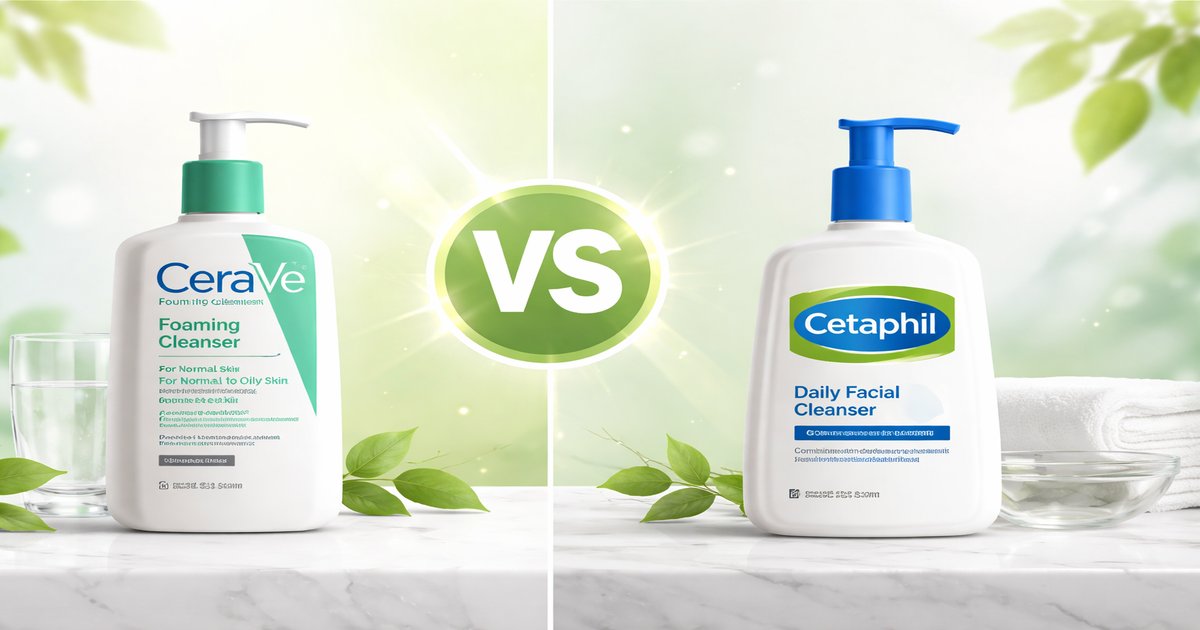
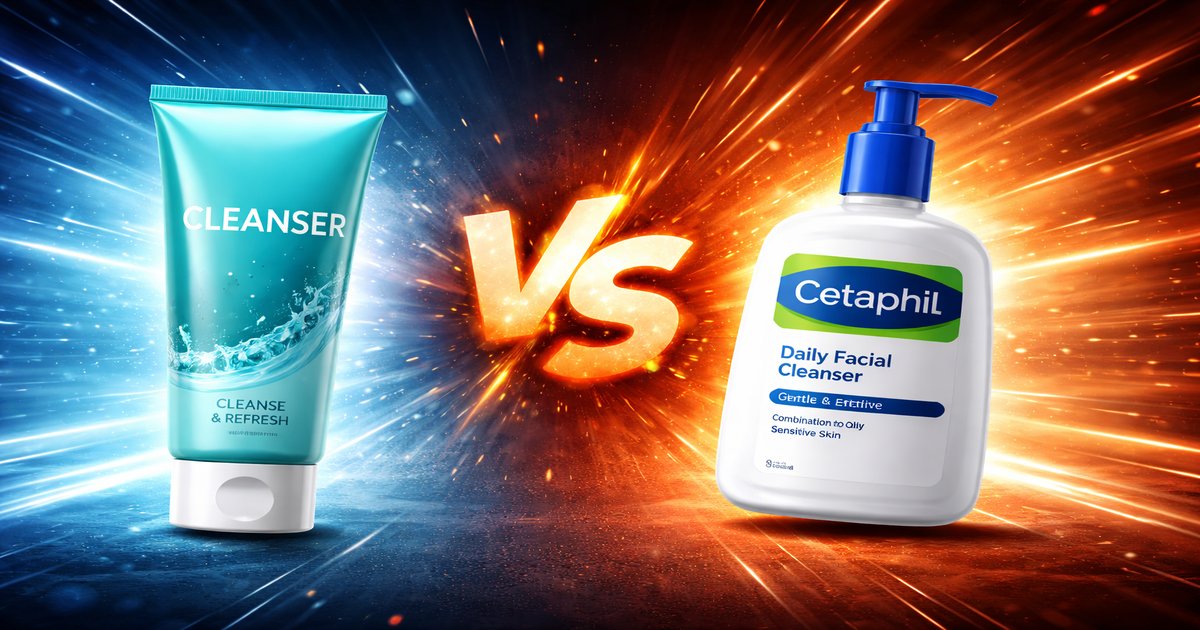
Standing in the skincare aisle, you might feel overwhelmed by the sheer number of face cleansers, especially when CeraVe and Cetaphil are staring you down. Both are dermatologist favorites, but which one deserves a spot on your bathroom shelf? Let’s break it down so you can make a decision that your skin will thank you for.
| Feature | CeraVe Hydrating Cleanser | Cetaphil Gentle Skin Cleanser |
|---|---|---|
| Skin type suitability | Normal to dry | All skin types |
| Key Ingredients | Ceramides, Hyaluronic Acid | Glycerin, Panthenol |
| Fragrance-Free | ✓ | ✓ |
| Paraben-Free | ✓ | ✓ |
| Price (per ounce) | $0.85 | $0.70 |
| Texture | Creamy | Gel-like |
✅ cerave cleanser which is better Pros
- Contains ceramides that help restore the skin barrier.
- Includes hyaluronic acid for added hydration.
- Non-comedogenic, doesn’t clog pores.
❌ cerave cleanser which is better Cons
- May be too moisturizing for oily skin types.
- Higher price point per ounce compared to Cetaphil.
- The creamy texture may not feel like it cleans thoroughly for some users.
✅ cetaphil cleanser Pros
- Suitable for all skin types, including sensitive skin.
- Affordable price for budget-conscious buyers.
- Lightweight, gel-like texture that rinses off easily.
❌ cetaphil cleanser Cons
- Contains SLS, which might be a dealbreaker for some.
- Lacks additional beneficial ingredients like ceramides.
- Some users report a slight film left on their skin.
Performance: How Well Do They Clean?
CeraVe’s creamy formula is hydrating, which makes it perfect for dry or sensitive skin, but it might leave you feeling like it didn’t wash off all the grime if you have oily skin. In contrast, Cetaphil’s gel-like texture feels lighter and rinses off more thoroughly, which can suit those who want that squeaky-clean feeling. If you’re someone who wears heavy makeup, CeraVe might require a double cleanse, whereas Cetaphil can handle it in one go but might leave a slight residue if not rinsed well.
Build Quality: Ingredients and Formulation
CeraVe packs a punch with its ceramides and hyaluronic acid, which are gold standard ingredients for restoring and maintaining skin moisture barrier. This makes it a powerhouse for hydration but might feel heavy for those with oily skin. Cetaphil, on the other hand, is simpler, relying on glycerin and panthenol. While it lacks the skin-barrier boosters, it’s a straightforward option that minimizes irritation, making it a safe bet for sensitive skin but perhaps less nourishing for dry skin.
Value: What Are You Getting for Your Buck?
CeraVe, while a tad pricier, offers extra benefits with its active ingredients that justify the cost if you’re looking to repair or maintain your skin barrier. Cetaphil comes in as the more economical choice, perfect for everyday use without breaking the bank. It’s reliable for those who want a no-fuss cleanser but shouldn’t be seen as a multitasking skincare hero.
A hidden limitation with CeraVe is its creamy texture, which might not appeal to those who prefer a more traditional foamy cleanse. Cetaphil, while budget-friendly, contains Sodium Lauryl Sulfate (SLS), which might irritate if your skin is particularly reactive. Both cleansers are fragrance-free, but if you’re scent-sensitive, always patch test first.
Our Final Verdict: Which One Should You Buy?
If you’re battling dryness and need some serious hydration, CeraVe is your go-to. Its formulation is a boon for those who need to repair their skin barrier and want a cleanser that doubles as a light moisturizer. On the flip side, if you’re looking for an affordable, no-nonsense cleanser that works well for all skin types without extra bells and whistles, Cetaphil is your match. It’s ideal for sensitive, oily, or combination skin types who need a reliable daily wash.
Is CeraVe cleanser safe for acne-prone skin?
Yes, CeraVe is non-comedogenic and can be suitable for acne-prone skin due to its hydrating properties without clogging pores.
Can Cetaphil be used to remove makeup?
Cetaphil can remove light makeup but might struggle with waterproof or heavy makeup. A separate makeup remover might be needed.
How long does one bottle of these cleansers last?
Both cleansers should last about 2-3 months with regular use, depending on the amount used per wash and frequency of cleansing.