Fitbit or Samsung Watch — Which One Fits Your Lifestyle?
You’re on your third cup of coffee, and the day is a blur of meetings, deadlines, and trying to fit in a gym session. You’re finally ready to invest in a smartwatch to keep you on track, but Fitbit and Samsung both call your name. Which one will truly fit your chaotic lifestyle?
| Feature | Fitbit | Samsung Watch |
|---|---|---|
| Battery Life | Up to 7 days | 1-2 days |
| Heart Rate Monitoring | ✓ | ✓ |
| Sleep Tracking | ✓ | ✓ |
| GPS | Built-in | Built-in |
| Mobile Payments | ✗ | ✓ |
| Water Resistance | Up to 50 meters | Up to 50 meters |
| Price Range | $100-$250 | $250-$400 |
✅ fitbit Pros
- Excellent battery life, lasting up to 7 days.
- Strong focus on health metrics and sleep tracking.
- Affordable price point for entry-level models.
❌ fitbit Cons
- Lacks mobile payment options.
- Limited third-party app support.
✅ samsung watch Pros
- Vast ecosystem with robust app support.
- Integrated mobile payment system.
- Stylish design with multiple customization options.
❌ samsung watch Cons
- Shorter battery life, requiring more frequent charging.
- Higher price point compared to similar competitors.
Performance and Health Tracking
If your primary goal is health tracking, Fitbit is your best ally. It excels with a focus on essential metrics like heart rate, sleep, and steps, with a battery life that won’t quit before your week does. Samsung Watch, while competent in health tracking, shines brighter with its smart features. It’s better suited for someone who wants an all-rounder that functions as a mini smartphone on their wrist. While both have GPS and sleep tracking, Fitbit’s more extensive health data, combined with its superior battery life, caters to those who prioritize fitness.
Build Quality and Aesthetic
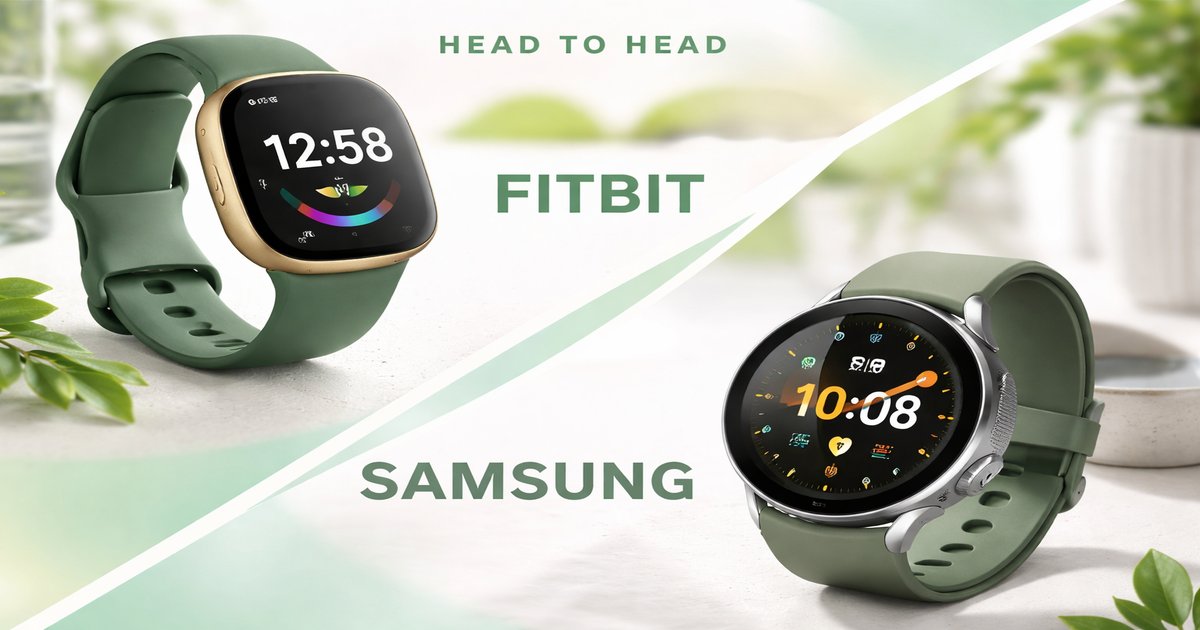
Samsung Watch is the James Bond of wearables, sporting a sleek and stylish look that can easily transition from the gym to a night out. It offers a range of customizable options, from watch faces to straps, making it a fashion statement as much as a tech gadget. Fitbit, on the other hand, keeps things simple. It’s more about functionality than fashion but offers a lightweight and comfortable design that doesn’t scream for attention. If you’re more about subtlety and comfort, Fitbit might be your match.
Value for Money
When it comes to pricing, Fitbit offers excellent value, especially if you’re looking for a straightforward fitness tracker without breaking the bank. Samsung Watch, while pricier, justifies its tag with a rich set of features that extend beyond fitness, like mobile payments and app integrations. However, if you’re not going to make the most of these additional features, you might find yourself paying for extras you don’t use. Consider your usage before splurging on Samsung’s fancy features.
Both devices track your steps, heart rate, and sleep, but real-world use reveals quirks. Fitbit’s sleep tracking algorithms can be overly sensitive, marking you awake when you’re not, while Samsung’s frequent updates can sometimes mess with app stability. Despite these hiccups, neither is a dealbreaker, but it’s good to be aware before diving in.
Our Final Verdict: Which One Should You Buy?
If you’re a health-focused individual who values a simple, reliable tracker that won’t leave your wrist bare by mid-week, go for the Fitbit. It’s perfect for those who want to stay within a budget without sacrificing core fitness features. On the other hand, if you’re a tech-savvy user who appreciates a feature-rich device with a dash of style and isn’t fazed by a higher price and shorter battery life, the Samsung Watch is your ideal companion.
Is the Fitbit compatible with all smartphones?
Yes, Fitbit devices work with both iOS and Android smartphones, offering broad compatibility.
How durable is the Samsung Watch?
The Samsung Watch is built to last with its water resistance up to 50 meters and robust design, but like any tech, it’s wise to avoid unnecessary rough handling.
Is the investment in a Samsung Watch worth it over a Fitbit?
If you value advanced smart features like mobile payments and a wide app ecosystem, then the Samsung Watch justifies its higher price. Otherwise, Fitbit offers a more cost-effective solution for basic fitness tracking.