Phenq or Alli — Which One Fits Your Lifestyle?
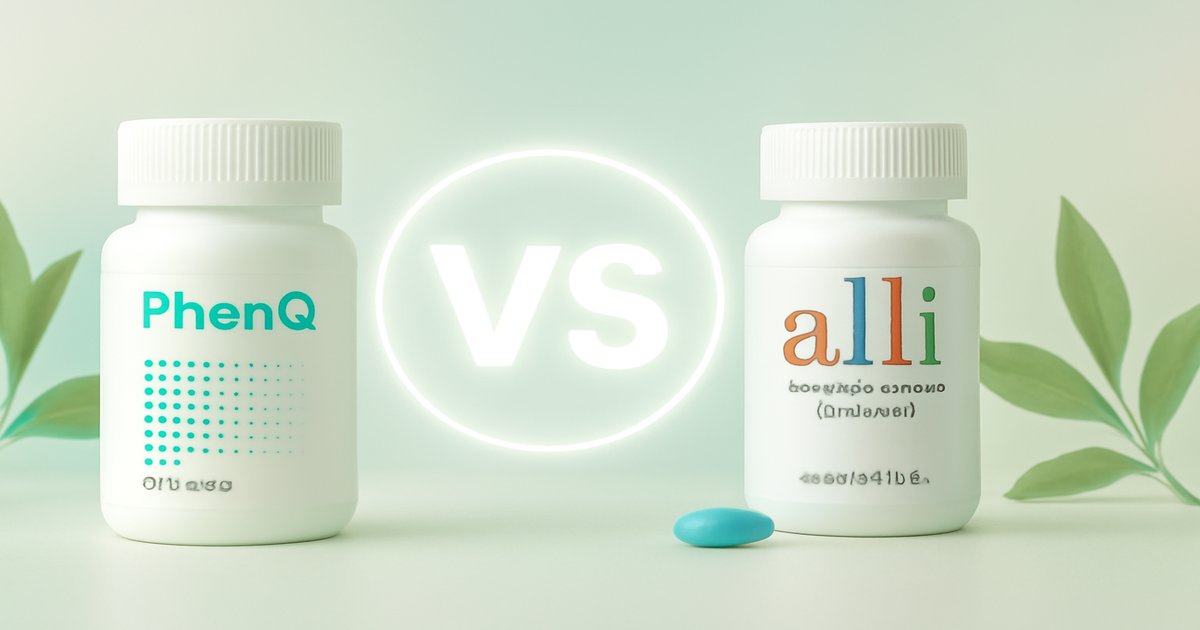
You’ve decided it’s time to drop a few pounds, but the options are overwhelming. Should you go for the promise of natural ingredients in PhenQ or the FDA-approved weight loss pill Alli? Let’s break it down so you can make an informed decision on your journey to a slimmer you.
| Feature | PhenQ | Alli |
|---|---|---|
| Main Ingredient | α-Lacys Reset | Orlistat |
| FDA Approval | ✗ | ✓ |
| Appetite Suppression | ✓ | ✗ |
| Fat Absorption Block | ✗ | ✓ |
| Energy Boost | ✓ | ✗ |
| Side Effects | Mild | Moderate to Severe |
✅ phenq Pros
- Boosts energy levels, making workouts more effective.
- Suppresses appetite to help control calorie intake.
- Contains natural ingredients with antioxidant properties.
❌ phenq Cons
- Lacks FDA approval, raising questions about its efficacy.
- Can be pricey for long-term use.
✅ alli Pros
- FDA-approved, ensuring a level of safety and efficacy.
- Blocks fat absorption, aiding in weight loss.
- Available over-the-counter, making it accessible.
❌ alli Cons
- Can cause unpleasant digestive side effects.
- Does not suppress appetite, which can be a drawback for some.
Performance: Appetite Suppression vs. Fat Blocking
PhenQ is your go-to if you’re struggling with hunger pangs and need something to curb your appetite. It’s designed to make you feel full longer, which is a game-changer if late-night snacking is your kryptonite. On the other hand, Alli works by blocking about 25% of the fat you eat from being absorbed. This is ideal if your diet is already on point but you need that extra push to shed the stubborn fat. Choose PhenQ for appetite control and Alli for fat blocking.
Build Quality: Natural vs. Pharmaceutical
PhenQ boasts a cocktail of natural ingredients like α-Lacys Reset and capsicum extract, aimed at boosting metabolism and energy. If you prefer natural supplements and are wary of synthetic compounds, PhenQ is more up your alley. Alli, containing Orlistat, is a pharmaceutical option that comes with the reliability of FDA approval. If you value clinically-tested, regulated products, Alli might give you more peace of mind despite its potential side effects.
Value: Cost vs. Benefit
PhenQ can be a bit heavy on the wallet, especially if you’re considering using it long-term. However, the benefits of appetite suppression and energy boost could justify the cost if those are your primary needs. Alli is generally more affordable and accessible, being available over-the-counter. However, you might find the cost of dealing with its digestive side effects a hidden expense, both financially and socially.
Most people overlook that PhenQ, despite its natural ingredients, is not a magic pill. Your diet and exercise routine still need to be on point. With Alli, be prepared for potential side effects like oily stools and frequent bathroom visits, which aren’t exactly public-friendly. It’s crucial to weigh these realities against your lifestyle and goals.
Our Final Verdict: Which One Should You Buy?
If you’re primarily struggling with appetite control and need a boost in energy to power through workouts, PhenQ is your pick. It’s perfect for someone who leans toward natural supplements and is committed to an active lifestyle. Alli, on the other hand, is best for those who have their diet under control but need help with fat absorption. It’s ideal for someone who prioritizes clinically-tested products and doesn’t mind the potential digestive side effects.
Can I take PhenQ and Alli together for better results?
It’s not recommended to combine these supplements without consulting a healthcare professional, as they work differently and might lead to undesirable side effects.
How long can I safely use these products?
PhenQ can be used long-term if tolerated well, but you should take breaks. Alli is recommended for short-term use unless advised otherwise by a doctor.
Will these supplements work without exercise?
Both products are designed to support weight loss efforts, not replace a healthy lifestyle. Exercise and a balanced diet are crucial for effective weight loss.