Cetaphil Cleanser or Cerave? Here’s What Most Reviews Won’t Tell You
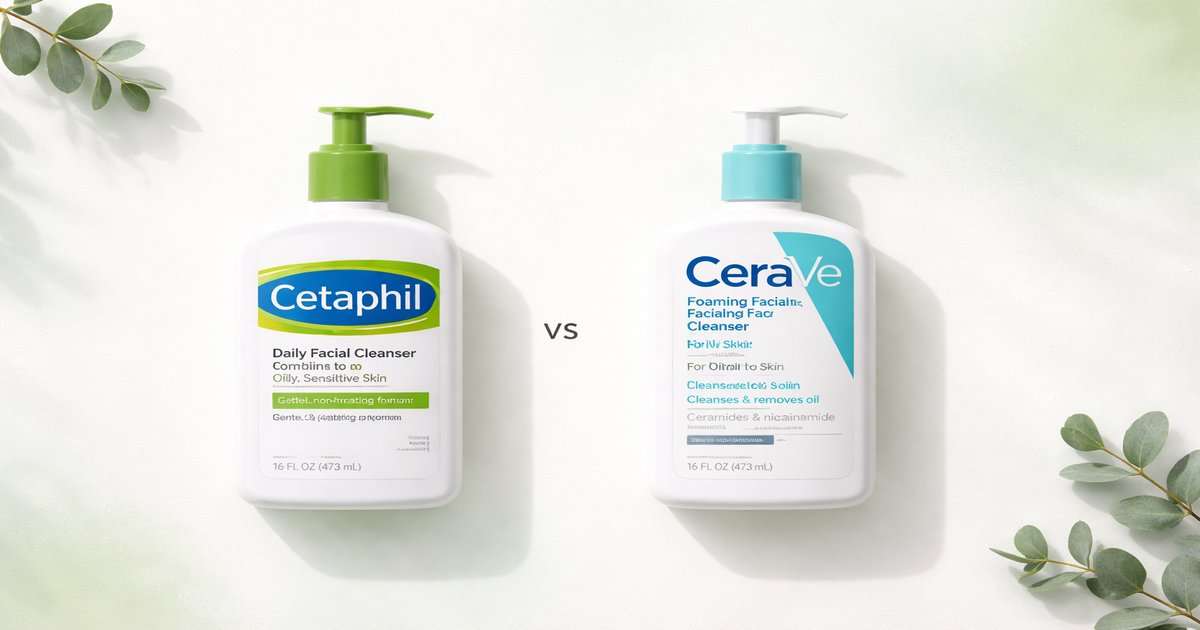
Choosing the right cleanser can feel like navigating a maze. If you’ve ever stood in the skincare aisle, baffled by the plethora of options, you’re not alone. Today we’re breaking down two cult favorites: Cetaphil Cleanser and CeraVe Cleanser, helping you decide which deserves a spot in your skincare routine.
| Specification | Cetaphil Cleanser | CeraVe Cleanser |
|---|---|---|
| Skin Type Suitability | All Skin Types | Normal to Oily |
| Key Ingredients | Glycerin, Niacinamide | Hyaluronic Acid, Ceramides |
| Fragrance-Free | ✓ | ✓ |
| Dermatologist Recommended | ✓ | ✓ |
| Foaming Action | ✗ | ✓ |
| Price (Approx. per 16 oz) | $10 | $15 |
✅ cetaphil cleanser Pros
- Gentle on sensitive skin.
- Affordable and widely available.
- Does not strip skin of natural oils.
❌ cetaphil cleanser Cons
- Lacks deep cleansing for oily skin.
- Non-foaming may not feel as effective to some.
✅ cerave Pros
- Includes ceramides for barrier support.
- Foams well, providing a clean feel.
- Effective for removing excess oil.
❌ cerave Cons
- Pricier than Cetaphil.
- May be too drying for some skin types.
Performance and Ingredients
Cetaphil Cleanser is like a gentle giant, perfect if your skin is easily irritated or if you prefer a milder touch. Its non-foaming formula relies on glycerin and niacinamide to hydrate and soothe, but doesn’t quite tackle oils and grime if you’ve been sweating it out. CeraVe, on the other hand, is your go-to if you’re dealing with oilier skin. The foaming action combined with ceramides and hyaluronic acid not only scrubs off dirt but also locks in moisture, making it a great choice post-gym or after a long, sweaty day.
Value for Money
When it comes to bang for your buck, Cetaphil edges out CeraVe slightly, especially if you’re on a budget. At around $10 for a 16 oz bottle, it’s hard to beat the gentle cleanse it provides for the price. CeraVe, priced at $15 for the same quantity, justifies its tag with a more comprehensive ingredient list designed to actively repair and hydrate, making it worth the splurge if you need that extra boost.
Build Quality and User Experience
Cetaphil’s no-frills packaging and straightforward application make it a staple in many households. It’s easy to use and doesn’t make a mess, ideal for quick routines. CeraVe’s pump bottle is a nice touch, especially when you’re juggling multiple bottles in the shower. The foaming action adds a sensory element to your cleansing routine, which might be a selling point if you’re particular about the tactile experience of your skincare products.
Despite their reputations, neither cleanser is a one-size-fits-all solution. Cetaphil might feel too gentle if you’re battling blemishes or oiliness, while CeraVe’s foaming action could dry out already parched skin. Also, watch out for seasonal changes — what works in the summer might not cut it come wintertime.
Our Final Verdict: Which One Should You Buy?
If you have sensitive skin or are simply looking for a reliable, no-nonsense cleanser, Cetaphil is your best bet. It’s affordable and gentle enough for daily use. For those with combination to oily skin or if you want a more robust clean that still hydrates, go with CeraVe. Its ceramide-rich formula will help manage oil without sacrificing moisture.
Is Cetaphil suitable for acne-prone skin?
Yes, it’s gentle and doesn’t clog pores, but it might not be strong enough to tackle severe acne alone.
Can CeraVe Cleanser be used daily?
Absolutely, it’s designed for daily use, but monitor how your skin reacts to avoid over-drying.
Which is better for removing makeup?
CeraVe is more effective due to its foaming action, but both may require a double cleanse for heavy makeup.