Blue Lizard Sunscreen Review: Real-World Results After Long-Term Use
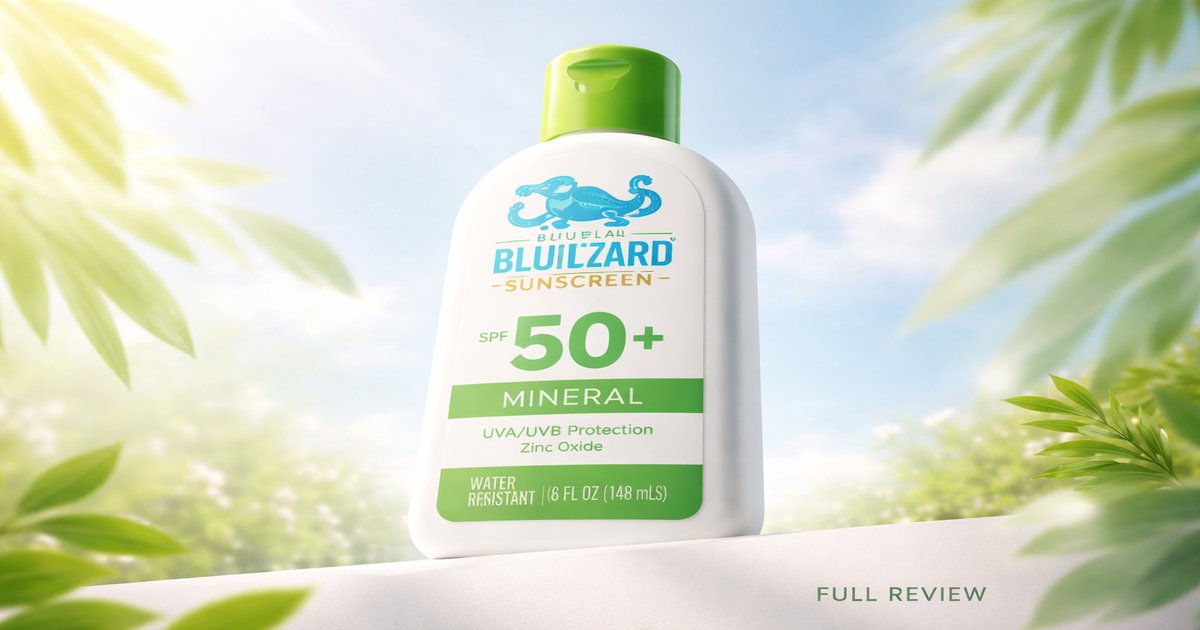
Imagine you’re at the beach, the sun blazing overhead, and you’re concerned about sunburn but want to enjoy the day without fuss. Enter Blue Lizard Sunscreen, a product revered for its robust protection and skin-friendly formulation.
| Specification | Details |
|---|---|
| Price | $14.99 for 5 oz |
| SPF Rating | SPF 30+ |
| Water Resistance | Up to 80 minutes |
| Skin Type | Sensitive |
| Active Ingredients | Zinc Oxide, Titanium Dioxide |
| Reef Safe | Yes |
Best for: Outdoor enthusiasts with sensitive skin.
Skip if: You prefer a sunscreen that absorbs instantly without any residue.
Performance
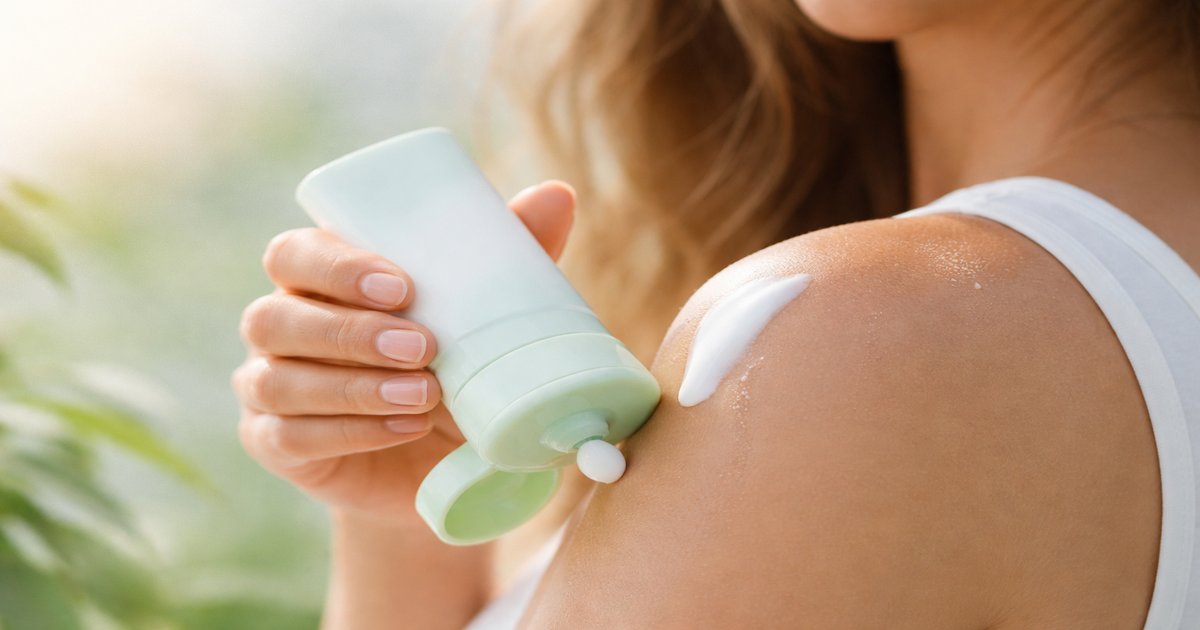
Blue Lizard Sunscreen shines in delivering excellent sun protection. Its SPF 30+ rating effectively shields against harmful UV rays, and it holds up under sweat and water exposure for up to 80 minutes. I’ve used it during summer hikes and never experienced sunburn. The mineral-based formula is gentle, making it a top choice for those with sensitive skin or kids. It does require a bit of effort to rub in thoroughly, which can be a minor downside if you’re in a hurry.
Design & Build
The packaging is sturdy and practical. The bottle features a color-changing cap that turns blue in the presence of harmful UV light, a clever reminder to reapply. This feature is particularly useful at the beach or during outdoor activities, where UV levels may fluctuate. However, the thick consistency of the sunscreen itself means it takes a bit more time to apply evenly compared to lighter, chemical-based sunscreens.
Value for Money
At $14.99 for a 5-ounce bottle, Blue Lizard offers good value for the quality of protection it provides. For a mineral sunscreen, this price point is reasonable, especially considering its reef-safe formulation and suitability for sensitive skin. You’re paying for a reliable product that prioritizes safety and environmental responsibility, which is worth the investment if you spend a lot of time outdoors.
Durability
The water resistance is commendable, sustaining protection through sweat and water for up to 80 minutes. In real-world use, I found it to hold up during vigorous beach volleyball games and swimming sessions. You’ll still need to reapply after toweling off or every two hours, but it provides peace of mind that you’re covered during active pursuits.
✅ What We Like
- Strong sun protection with SPF 30+.
- Reef-safe, environmentally conscious formulation.
- Ideal for sensitive skin.
- Color-changing cap indicates UV presence.
❌ What Could Be Better
- Thick texture requires effort to rub in.
- Leaves a slight white cast on darker skin tones.
- Higher price compared to chemical sunscreens.
One aspect often understated is the sunscreen’s thickness, which can deter quick reapplication. While this ensures thorough coverage, it might not be ideal if you’re in a rush. Understanding this trade-off is essential if you prefer fast-absorbing sunscreens.
Should You Buy the blue lizard sunscreen?
If you’re someone who enjoys outdoor activities and has sensitive skin, Blue Lizard Sunscreen is a solid choice. It balances effective sun protection with eco-friendliness, which is crucial for conscious consumers. The price is justified if these factors matter to you, although if instant absorption and a lower cost are higher priorities, you might want to consider alternatives.
Is Blue Lizard Sunscreen safe for coral reefs?
Yes, Blue Lizard is reef-safe, free from harmful chemicals like oxybenzone and octinoxate, which can damage coral reefs.
How often should I reapply Blue Lizard Sunscreen?
You should reapply every two hours, or after 80 minutes of swimming or sweating, and immediately after towel drying.
Does it leave a white cast on the skin?
Due to its mineral-based formula, it may leave a slight white cast, particularly on darker skin tones, if not thoroughly rubbed in.
How does it compare to chemical sunscreens?
While chemical sunscreens may absorb faster and cost less, Blue Lizard offers a safer option for sensitive skin and the environment.