I Tried Both Cerave and Cetaphil Face Wash: Here’s My Verdict
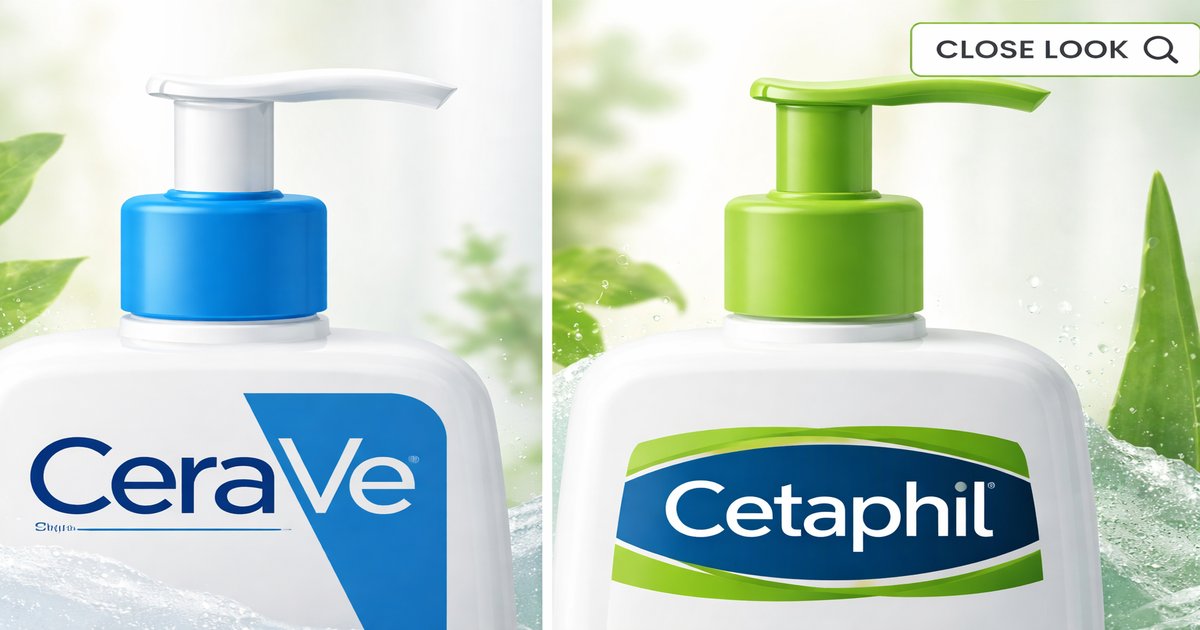
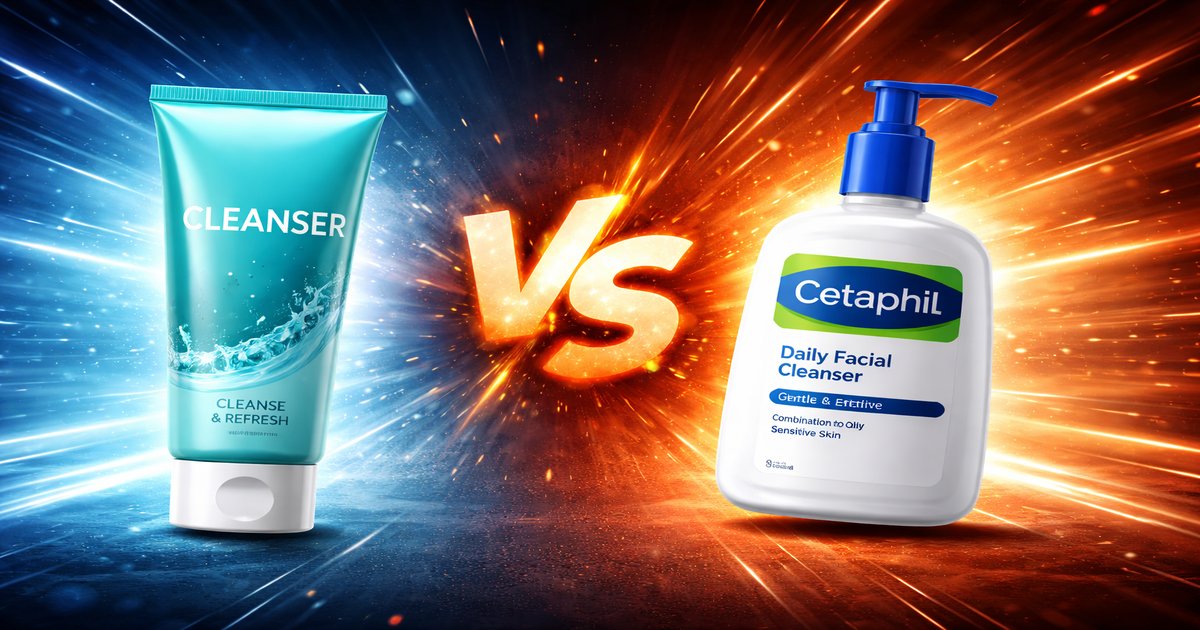
You’ve been standing in the skincare aisle, staring at two popular contenders: CeraVe and Cetaphil face washes. Both promise to cleanse without stripping your skin, but which one will actually deliver the glowing skin you’re after?
| Specification | CeraVe Face Wash | Cetaphil Face Wash |
|---|---|---|
| Suitable for Sensitive Skin | ✓ | ✓ |
| Main Ingredients | Ceramides, Hyaluronic Acid | Glycerin, Niacinamide |
| Fragrance-Free | ✓ | ✓ |
| Foaming Action | ✓ | ✗ |
| Price Range | Mid-range | Budget |
| Non-comedogenic | ✓ | ✓ |
✅ cerave Pros
- Contains ceramides and hyaluronic acid for hydration.
- Foams well, providing a thorough clean.
- Dermatologist recommended for acne-prone skin.
❌ cerave Cons
- Pricier compared to some drugstore brands.
- Foaming action may not suit very dry skin types.
- Mid-range price might not justify for those on a budget.
✅ cetaphil face wash Pros
- Gentle formula perfect for sensitive skin.
- More affordable, making it a great budget option.
- Contains niacinamide, which soothes irritation.
❌ cetaphil face wash Cons
- Lacks the foaming action some users prefer.
- May not remove heavy makeup effectively.
- Basic formulation with fewer active ingredients.
Performance
When it comes to performance, CeraVe edges ahead with its foaming action and inclusion of ceramides. If you’re dealing with acne or oily skin, the foaming helps break down excess oil without stripping your skin dry. Cetaphil, however, excels in gentleness. Its non-foaming formula is as mild as they come, making it ideal for those who suffer from extreme sensitivity or conditions like rosacea. If your skin is easily irritated, Cetaphil won’t exacerbate the issue.
Build Quality
CeraVe is formulated with ceramides and hyaluronic acid, providing an extra layer of hydration and skin barrier support. This is crucial for anyone dealing with compromised skin barriers due to acne treatments or harsh weather conditions. Cetaphil’s formulation is simpler, relying on glycerin and niacinamide to calm the skin. While less sophisticated, it’s highly practical for those who need straightforward, non-irritating care without the bells and whistles.
Value
Cetaphil wins the value game hands down with its lower price point, making it accessible for daily use without breaking the bank. That said, if you’re looking for targeted benefits like hydrating and barrier-repairing properties, CeraVe justifies its higher price tag. For those who don’t mind spending a bit more for added skincare benefits, CeraVe’s value proposition is stronger.
Both face washes may leave you wanting if you’re expecting them to remove a day’s worth of makeup. Neither is a complete replacement for a double-cleansing routine. Also, while both claim to be non-comedogenic, some users still report occasional breakouts, so patch testing is wise.
Our Final Verdict: Which One Should You Buy?
For those with sensitive or combination skin looking for an affordable, gentle daily cleanser, Cetaphil is your go-to. It’s a no-frills option that gets the job done without causing irritation. If your skin requires a more robust formula with added hydration and barrier support, especially if you’re dealing with acne or breakouts, CeraVe is worth the extra bucks. It suits those who prioritize skincare ingredients and don’t mind spending a bit more for added benefits.
Is CeraVe face wash suitable for acne-prone skin?
Yes, CeraVe is often recommended by dermatologists for acne-prone skin due to its non-comedogenic formula and beneficial ingredients like ceramides.
Can Cetaphil be used to remove makeup?
Cetaphil is not the most effective at removing heavy makeup. It’s best used as a gentle daily cleanser, and you might need a makeup remover for thorough cleansing.
How long does a bottle of each typically last?
Both products last around 2-3 months with daily use, depending on how much you use per wash. Cetaphil’s larger bottles can extend this time slightly.