Unifying Forces: How Team Sports Foster Camaraderie and Enhance Teamwork Skills
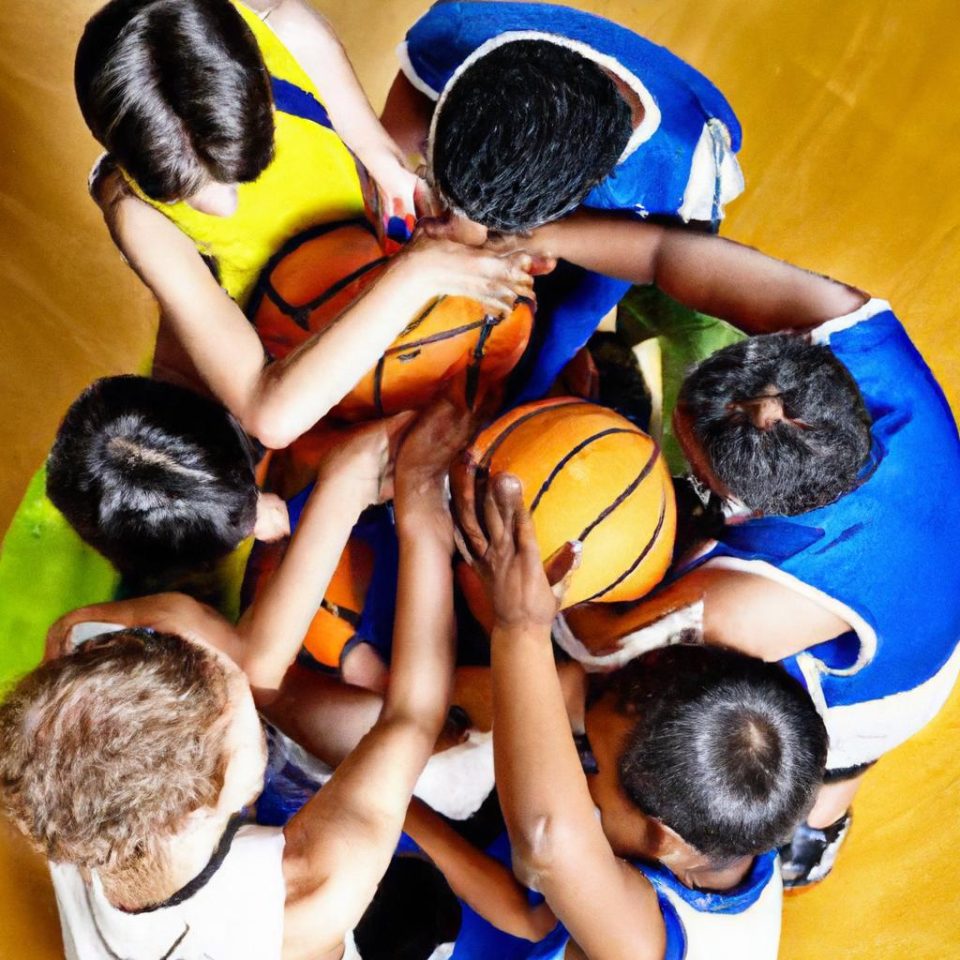
In a world increasingly defined by individual pursuits and digital interactions, the timeless appeal of team sports offers a refreshing counterbalance-a dynamic arena where camaraderie flourishes and teamwork thrives. Whether it’s the synchronized movements on a soccer field, the strategic plays of a basketball court, or the seamless cooperation in a volleyball match, these activities serve as more than just a means of physical exercise. They are crucibles where relationships are forged, skills are honed, and life lessons are learned. This article explores the unifying forces at play in team sports, examining how they cultivate a sense of belonging and enhance our ability to work collaboratively, both on the field and beyond. As we delve into the multifaceted benefits of participation in team sports, we will uncover how these collective experiences shape not only athletes but also the broader fabric of our communities.
The power of Play: Understanding the Psychological Benefits of Team Sports
Engaging in team sports is a dynamic way to harness the transformative power of play, enhancing both camaraderie and teamwork skills. When individuals come together to achieve a common goal, they not only learn the importance of collaboration but also foster deep bonds that can last a lifetime. The psychological benefits are profound,including:
- Improved Communication: Players must articulate strategies and feedback during gameplay,building essential communication skills.
- Enhanced Problem-Solving: Overcoming challenges as a team encourages creative thinking and resourcefulness.
- Confidence Building: Success in team settings boosts individual self-esteem, motivating players to take on new challenges.
- Resilience: Learning to handle defeat and celebrate victories teaches emotional strength.
The collaborative nature of team sports also mirrors many real-world scenarios, preparing individuals for future social and professional interactions. As players navigate roles within a group,they learn the importance of trust and accountability. A closer look at the core skills developed through team sports elucidates this impact:
| skill Developed | Description |
|---|---|
| Leadership | Opportunities to take initiative and guide teammates. |
| Adaptability | Adjusting strategies based on team dynamics and external pressures. |
| Empathy | Understanding teammates’ perspectives and fostering support. |

Building Bonds: Strategies for Developing Camaraderie Through Collaborative Activities
Engaging in team sports provides an exciting platform for individuals to cultivate lasting relationships while honing their teamwork abilities. As players navigate the complexities of strategy, competition, and camaraderie, they learn to rely on one another, fostering a sense of unity that extends beyond the field. The shared experience of training, competing, and celebrating victories-or dealing with losses-allows team members to forge deep connections based on trust and mutual respect. Through these interactions, participants often discover common interests and values, creating a community atmosphere that thrives on collaboration.
To further enhance camaraderie through team sports, consider implementing the following strategies in your institution:
- Team Building Exercises: Organize activities that require teamwork, such as obstacle courses or relay races, to build trust and cooperation.
- Regular Social Events: Hold informal gatherings, like potlucks or game nights, where team members can relax and connect outside of competitive settings.
- Mentorship Programs: Pair experienced players with newcomers to foster guidance, learning, and stronger bonds.
- Feedback Workshops: Host sessions where teammates can provide constructive feedback on performance, promoting open communication and collaborative betterment.
| Activity | Objective |
|---|---|
| Team Scavenger Hunt | Encourage collaboration and creativity while having fun. |
| Amiable Tournaments | Strengthen competitive spirit and team dynamics. |
| Skill Advancement Clinics | Improve individual skills while fostering teamwork. |

Skillful Synergy: Practical Tips to Enhance Teamwork Through on-Field Experiences
To create an environment that fosters effective teamwork through on-field experiences, organizations can implement several engaging strategies. Encouraging mixed-age or skill-level teams can break down barriers and promote mentorship, where seasoned players guide novices. Incorporating rotating leadership positions allows team members to step into roles they might not typically assume, which builds versatility and enhances trust among teammates. Utilizing team-building exercises that focus on communication-such as setting up obstacle courses where players must relay instructions without visual cues-invites members to strengthen their interpersonal skills in a fun, interactive setting.
Another practical approach involves establishing regular team reflection sessions, where players discuss their experiences, identify challenges, and celebrate successes. consistent feedback loops help refine strategies and bolster camaraderie. Moreover, integrating goal-setting workshops allows teams to create collective objectives that are not only achievable but also inspire collaboration. A simple table below illustrates some key activities that can enhance teamwork through sports:
| Activity | Benefits |
|---|---|
| Obstacle Course Challenges | Improves communication and strategy execution |
| Mentorship Pairing | Develops skills and creates bonding opportunities |
| Goal-Setting Workshops | Establishes shared objectives and accountability |
| Reflection Sessions | Encourages learning from experiences and enhances trust |
In Conclusion
the unifying forces of team sports extend far beyond the confines of the playing field. They play a pivotal role in cultivating camaraderie,bridging differences,and instilling essential teamwork skills that will last a lifetime. As athletes learn to navigate challenges, celebrate victories, and support one another through setbacks, they are not merely participating in a game; they are engaging in a transformative experience that shapes their character and social bonds. The lessons learned in the huddle or during a high-stakes match resonate well beyond the scoreboard, fostering a sense of belonging and cooperation that can be applied in every facet of life. Whether on a community team or a global stage, the power of sport to unite diverse individuals remains an enduring testament to the importance of collaboration, understanding, and shared purpose. the true victory lies not just in the points scored but in the relationships forged and the teamwork honed-a legacy that will echo for years to come.