Unifying Forces: How Team Sports Foster Camaraderie and Essential Teamwork Skills
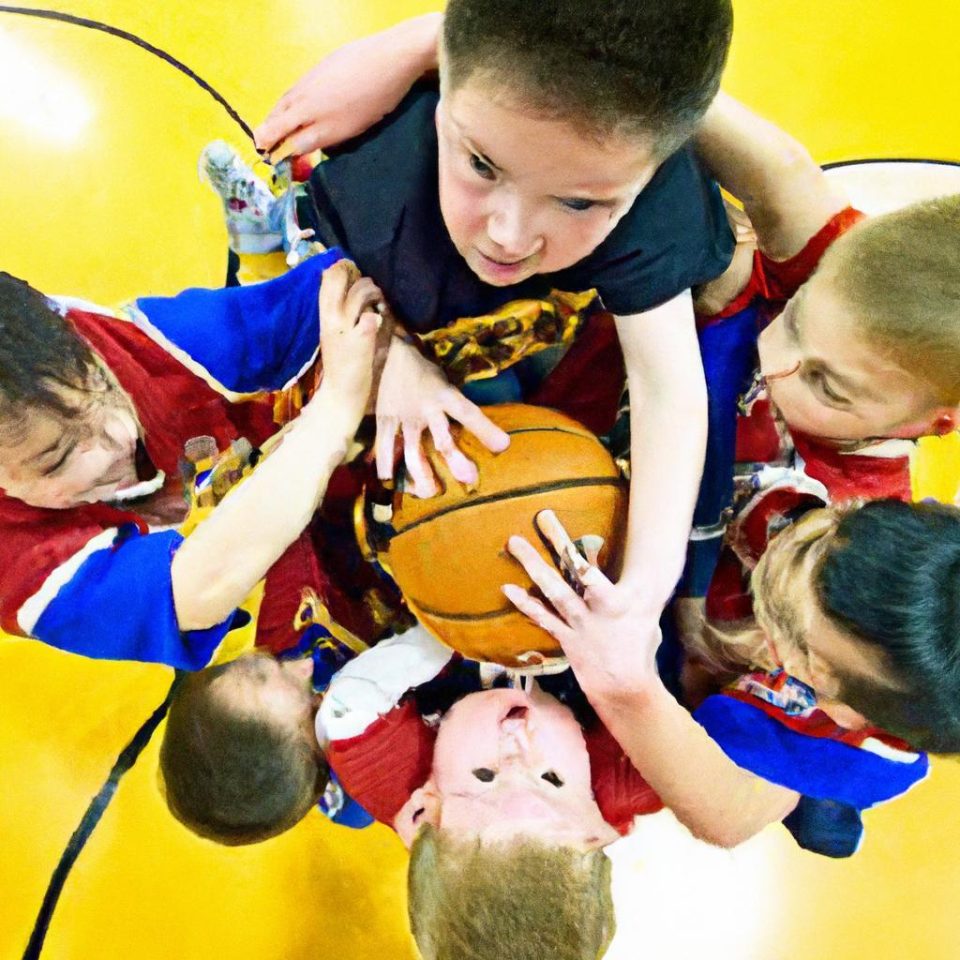
In a world where individualism often takes center stage, the realm of team sports stands as a captivating counterpoint-a vibrant tapestry woven with threads of cooperation, trust, and shared ambition. As players unite under a common banner, they engage not just in a contest of athleticism but in a profound journey of personal and collective growth. “Unifying Forces: How Team Sports Foster Camaraderie and Essential Teamwork Skills” explores the intricate dynamics that unfold within the huddle, the locker room, and the field, revealing how these environments cultivate not only athletes but also lifelong friendships and invaluable skills essential for navigating life’s myriad challenges. Through strategic plays and moments of vulnerability, join us as we delve into the transformative power of teamwork, illustrating how the lessons learned on the playing field resonate far beyond the final whistle.
Elevating Bonds through Shared Goals in Team sports
In the realm of team sports, the essence of collaboration transcends individual prowess. When players unite under a common objective, they discover that their personal ambitions and skills resonate like harmonized notes in a symphony. Shared goals not only enhance performance but also cultivate a spirit of unity that is indispensable both on and off the field. Each athlete learns to trust their teammates, which fosters an environment ripe for consistent feedback and growth. as players rally together, they develop a mutual understanding of roles and responsibilities, enabling them to adapt fluidly during the game. This adaptability becomes second nature, as the focus shifts from personal goals to collective triumphs.
The journey towards achieving shared ambitions in sports is a mosaic of challenges and victories, where lessons extend beyond athleticism to life itself. Players engage in reflective practices that help them identify strengths and areas for advancement, enhancing their overall experience as a team.In this framework,the following elements come to the forefront:
- Dialog: Essential for strategizing and adjusting mid-game.
- Trust: Builds confidence among team members, creating a safety net during high-pressure moments.
- Perseverance: Learning to face setbacks as a united front encourages resilience.
- Shared celebrations: Acknowledging each other’s achievements strengthens bonds and boosts morale.
Through these experiences, athletes emerge not just as players, but as individuals imbued with the values of teamwork, empathy, and determination.They learn that it is indeed not merely about mastering the game but about building a legacy of camaraderie that lasts long after the final whistle.

Building Trust and Communication: The Cornerstones of Effective Collaboration
In the tapestry of teamwork, trust and communication are the threads that hold everything together. Team sports provide a unique arena where individuals learn to rely on each other, fostering a sense of mutual respect and understanding. Athletes quickly discover that the success of their game hinges not just on physical prowess, but also on how well they communicate their strategies, intentions, and feelings. When players speak openly about their strengths and weaknesses, they forge stronger bonds that enhance overall performance. The ability to listen actively and provide honest feedback becomes second nature, creating an environment where everyone can contribute to the team’s goals.
Moreover, effective collaboration hinges on a delicate balance of transparency and vulnerability. Both on and off the field, team sports instill the understanding that success is never the result of individual effort alone. Instead, it thrives in an atmosphere where sharing ideas, celebrating victories, and addressing failures are part of the collective journey. Consider the following elements that exemplify how trust and communication manifest in a cohesive team:
- Shared Goals: Aligning on objectives ensures all members are working towards the same end.
- Clear Roles: Knowing one’s position and responsibilities fosters accountability.
- Constructive Critique: Providing and accepting feedback nourishes growth and trust.
- Celebrating Success: Acknowledging accomplishments boosts morale and group cohesiveness.
To illustrate how various team sports implement these principles, the table below showcases different sports and their specific contributions to enhancing trust and communication:
| Sport | Trust-Building Activity | Communication Lesson |
|---|---|---|
| Basketball | Pass drills promote reliance on teammates. | Quick decision-making requires constant verbal cues. |
| Soccer | Defensive formations build partnership understanding. | Play-calling enhances strategic discussions. |
| Rugby | Scrum practices develop trust in physical teamwork. | Effective signals ensure smooth coordination. |
| Volleyball | Team huddles build collective mindset. | Non-verbal communication is key to player interaction. |

Transforming Challenges into Strengths: Lessons from the Playing Field
In the heat of competition, athletes often confront obstacles that push them to their limits. These challenges, far from being mere hindrances, become pivotal moments that cultivate resilience and adaptability. Players learn to embrace discomfort,understanding that each setback serves as a stepping stone to improvement. The lessons garnered on the field translate seamlessly into everyday life, allowing individuals to:
- Develop problem-solving skills: Athletes quickly adapt strategies when confronted with opponents’ tactics.
- Enhance emotional intelligence: Team dynamics teach players to recognize and respond to the emotions of others.
- Foster a growth mindset: The iterative process of practice and feedback reinforces the idea that failure can lead to growth.
Collaboration stands at the heart of any triumphant sporting endeavor.Each member on the field brings unique strengths, and it is through unification that teams achieve greatness. The best teams are those where communication flows freely, and trust is firmly established.Recognizing individual contributions leads to a harmonious environment, where players:
| Skill Developed | Impact on Teamwork |
|---|---|
| Communication | Improves coordination during gameplay. |
| Conflict resolution | Helps in addressing issues promptly and effectively. |
| Accountability | Encourages a sense of ownership for one’s role in the team. |
Key Takeaways
As the final whistle blows and the last echo of cheers fades into the distance, we are reminded that the true essence of team sports transcends mere competition. It is within the shared experiences-whether jubilant victories or hard-fought losses-that the bonds of camaraderie are forged. Players learn that every pass, every play, and every moment spent together counts. Each individual connection molds a unified spirit,showcasing the unparalleled power of collaboration.
In a world where the ability to work collectively is more crucial than ever, the lessons gleaned from team sports serve as a microcosm of life itself. here, skills such as communication, empathy, and resilience are nurtured, preparing individuals not just to triumph on the field, but to thrive in their personal and professional spheres.
ultimately, the unifying forces of team sports create more than just athletes; they cultivate lifelong friendships and build essential teamwork skills that echo through every aspect of our lives. As we leave the field behind, let us carry with us the spirit of teamwork, embracing the strength found in unity, and celebrating the profound connections forged through the game.